 blog
blog
5 Best End-of-Lease Cleaning Tips for Renters
Table of Contents
- 1. Start With a Complete End-of-Lease Cleaning Checklist
- 2. Know Your Final Rental Inspection Checklist Requirements
- 3. Avoid the Five Most Common End-of-Lease Cleaning Mistakes
- 4. Plan Your Timeline: How Long Does Bond Cleaning Take?
- 5. Use the Right Cleaning Products and Methods for Rental Properties
- DIY vs. Professional Bond Cleaning: Making the Right Choice
- Frequently Asked Questions
Last Updated: October 5, 2026
1. Start With a Complete End-of-Lease Cleaning Checklist
When you're preparing to move out of a rental property, these end-of-lease cleaning tips and a thorough checklist are your best defence against bond deductions.
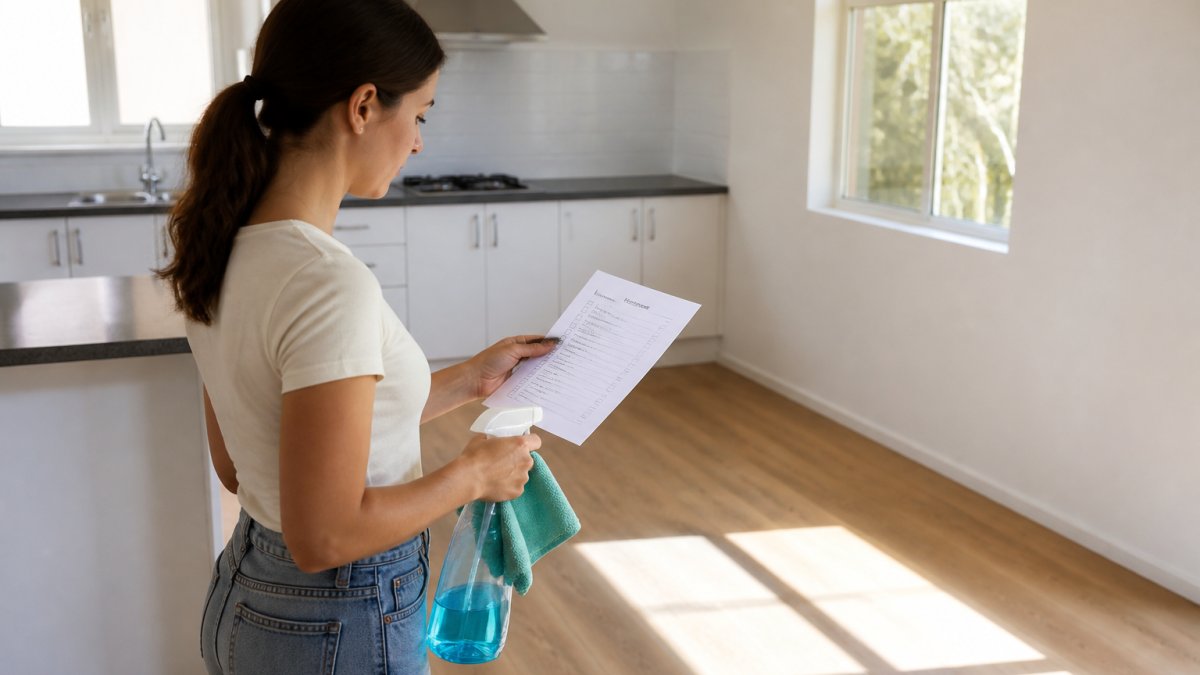
The key is breaking the work down room by room. This approach keeps you organised and ensures nothing gets missed. Most renters who lose bond money do so because they rushed through cleaning or overlooked specific areas that inspectors always check.
Room-by-room breakdown
Start in the kitchen. Clean inside the oven, microwave, and refrigerator. Wipe down all cupboard fronts and handles. Don't forget the splashback behind the stove, grease builds up there quickly and inspectors notice.
Move to bathrooms next. Scrub the toilet inside and out. Clean the shower or bathtub thoroughly, including grout lines. Wipe mirrors and light fixtures.
Bedrooms and living areas need vacuuming and dusting. Dust ceiling corners, light fittings, and skirting boards. These spots collect cobwebs and dust that catch inspectors' attention immediately.
Laundry areas often get overlooked. Clean the washing machine thoroughly, especially the rubber seal. Wipe down benches and remove any lint or detergent residue.
Commonly missed areas that inspectors check
Light switches and door handles accumulate fingerprints and grime. Wipe these down, they're among the first things inspectors touch and notice.
Skirting boards collect dust and pet hair. Run a damp cloth along the entire length of every skirting board in the property.
Inside cupboards matter just as much as outside surfaces. Empty them completely, vacuum the shelves, and wipe them down.
Ceiling fans and air vents harbour dust. Use a cloth or duster to clean fan blades and vacuum air vents.
Windows and window frames are critical. Clean the glass, frames, and sills.
Garage floors and walls need attention too. Sweep thoroughly and remove any oil stains if possible.
2. Know Your Final Rental Inspection Checklist Requirements
Understanding what landlords and property managers actually assess during final inspections helps you clean strategically. You're not cleaning for yourself, you're cleaning to pass a specific set of criteria.
Most landlords use a standard inspection checklist that covers cleanliness, damage, and wear and tear. The cleanliness section is where you have the most control. Damage and wear are often beyond your influence, but a spotless property makes inspectors more lenient about minor wear.
What landlords and property managers actually assess
Inspectors look for general cleanliness first. This means no visible dust, dirt, or stains on surfaces.
They assess carpets for stains and odours. Professional carpet cleaning is often recommended before final inspection because stains from everyday living are difficult to remove yourself.
Appliances must be clean and functioning. The oven, stovetop, and microwave should shine. Refrigerators should be empty, defrosted, and dry inside.
Walls are checked for marks, scuffs, and holes beyond normal wear.
Bathrooms require special attention. Grout should be clean. Showers and baths should be spotless. Toilets should be sanitised.
Floors throughout the property should be vacuumed and mopped. Tile grout should be clean. Wooden floors should be dust-free.
Documentation and evidence for bond disputes
Keep records of your cleaning efforts. Photos taken immediately after cleaning provide evidence if disputes arise later. Take photos in good lighting from multiple angles in each room.
Keep receipts for professional cleaning services if you hire them. These prove you took the bond return seriously and invested in proper cleaning.
Document the property's condition when you moved in. If your initial inspection report noted existing damage or stains, this protects you from being charged for pre-existing issues.
Write down the date you completed cleaning and the condition you left the property in. A simple written record with dates is valuable if you need to challenge deductions.
3. Avoid the Five Most Common End-of-Lease Cleaning Mistakes
Learning from others' mistakes saves you money and stress, which is why these end-of-lease cleaning tips are essential.
Mistake 1: Ignoring the oven and stovetop. Many renters skip deep cleaning these appliances, assuming surface cleaning is enough.
Mistake 2: Leaving carpets stained. Carpet stains are the leading reason for bond deductions.
Mistake 3: Not cleaning inside cupboards and drawers. Renters often focus on visible surfaces and forget what's inside.
Mistake 4: Skipping the garage or outdoor areas. If your rental includes a garage or outdoor space, these count toward the final inspection.
Mistake 5: Cleaning too early. If you clean a week before moving out, the property gets dirty again.
4. Plan Your Timeline: How Long Does Bond Cleaning Take?
Realistic time planning prevents last-minute stress and incomplete cleaning. The duration depends on property size, condition, and whether you're doing it yourself or hiring professionals.
For a small one-bedroom apartment in good condition, expect 6-8 hours of work if you're cleaning alone. This assumes you're working steadily without breaks and have all supplies ready.
A two-bedroom house typically takes 10-14 hours. A three-bedroom house usually requires 16-20 hours. These estimates assume the property is in reasonable condition with no major stains or damage.
If the property is particularly dirty or has been lived in for several years, add 20-30% to these timeframes. Stubborn stains, built-up grime, and heavily soiled carpets extend the work significantly.
Realistic timeframes by property size and condition
A studio or one-bedroom apartment: 6-8 hours solo, 3-4 hours with a helper.
A two-bedroom house: 10-14 hours solo, 5-7 hours with a helper.
A three-bedroom house: 16-20 hours solo, 8-10 hours with a helper.
A four-bedroom house: 20-24 hours solo, 10-12 hours with a helper.
These times assume you're experienced with cleaning and have professional-grade supplies. If you're using basic household cleaners or working slowly, add 25-40% more time.
When to book professional cleaners
If your inspection is fewer than three weeks away and the property needs significant work, book professionals now.
If you work full-time and have limited free time, professional cleaning is worth the investment. You avoid the stress and physical exhaustion, and professionals deliver consistent results.
If the property has stubborn stains, heavy carpet soiling, or significant grime buildup, professionals have equipment and products you don't own.
If you have mobility issues, injuries, or health concerns, professional cleaning is the practical choice. Your bond is too important to risk incomplete work due to physical limitations.
Many professional cleaners offer end-of-lease packages specifically designed to meet landlord standards. They know what inspectors check and clean accordingly.
5. Use the Right Cleaning Products and Methods for Rental Properties
Using the wrong products damages surfaces and creates problems you'll be charged for. The right approach combines effectiveness with surface safety.
For general surfaces, a mixture of warm water and white vinegar works on most areas.
For kitchen grease, a degreasing dish soap mixed with warm water is effective.
For bathrooms, a bathroom-specific cleaner or a bleach-based product removes soap scum and mould. Ensure you use these in well-ventilated areas.
For carpets, a carpet stain remover designed for your carpet type is essential.
For windows and glass, a glass cleaner or a vinegar-and-water solution works well. Use newspaper or microfibre cloths for streak-free results.
Safe, effective solutions for different surfaces
Laminate benchtops: warm water and mild dish soap. Avoid excessive water, which damages laminate edges.
Granite or stone benchtops: pH-neutral stone cleaner. Never use vinegar or acidic cleaners, which etch stone.
Stainless steel appliances: stainless steel cleaner or a tiny amount of olive oil on a soft cloth.
Tile grout: a grout-specific cleaner or a paste of baking soda and water. Scrub with a soft brush.
Painted walls: magic erasers remove scuffs and marks.
Vinyl flooring: warm water and a small amount of vinegar. Don't oversaturate, excess water damages vinyl.
Wooden floors: a wood floor cleaner or a barely damp mop with a tiny amount of vinegar. Never use excessive water.
Stain removal and carpet care without damage
For fresh spills on carpet, blot immediately with a clean cloth. Don't rub, which pushes the stain deeper into fibres.
For dried stains, apply a carpet stain remover and let it sit for the recommended time. Blot, don't rub. Repeat if necessary.
For pet stains, an enzymatic cleaner breaks down the organic matter. These work better than standard cleaners for this problem.
For ink or dye stains, test the stain remover on a hidden area first.
For grease stains on carpet, sprinkle baking soda, let it sit overnight to absorb the grease, then vacuum.
If a stain won't come out after two attempts, stop trying.
DIY vs. Professional Bond Cleaning: Making the Right Choice
This decision depends on your timeline, budget, physical ability, and how much bond money you're protecting.
DIY cleaning costs only the price of supplies, typically $30-$60. It gives you complete control and the satisfaction of doing it yourself.
Professional bond cleaning costs vary, but it's a one-time investment to protect your entire bond.
Consider professional cleaning if your bond is substantial.
If you choose DIY, start early and break the work into manageable chunks.
If you choose professional cleaning, book at least two weeks before your inspection.
At Cleaning Spell, we specialise in end-of-lease cleaning that meets landlord and property manager standards.
Frequently Asked Questions
What should an end-of-lease clean include?
A thorough end-of-lease clean covers all rooms, surfaces, and appliances. Include vacuuming and mopping all floors, wiping down kitchen cupboards inside and out, cleaning the oven and stovetop, scrubbing the bathroom and toilet, washing windows and frames, dusting all surfaces, and treating any carpet stains. Don't forget overlooked areas like light switches, door handles, skirting boards, and garage or storage spaces. Many renters miss these spots, which costs them bond money during final inspection.
How long does bond cleaning take for a typical rental property?
A one-bedroom flat typically takes 4-6 hours, while a two-bedroom house takes 6-10 hours. Condition matters significantly: a well-maintained property takes less time than one with heavy staining or buildup. Carpet cleaning and pest control add 1-2 hours. If you're doing it yourself alongside packing and moving, plan for 2-3 days. Professional cleaners often complete the work faster because they have the right equipment and experience, which is why many renters book them for the final week before handover.
What are the most common end-of-lease cleaning mistakes renters make?
The biggest mistakes are leaving items in cupboards, not cleaning inside appliances, ignoring carpet stains, missing light fittings and ceiling fans, and forgetting to clean window tracks. Many renters also use the wrong cleaning products, which can damage surfaces or leave marks. Not taking photos before and after is another costly error, documentation helps if the landlord disputes bond deductions. Finally, rushing the job or cleaning just before inspection often means missing details that inspectors specifically look for.
Should I hire a professional cleaner for end-of-lease cleaning?
It depends on your time, budget, and property condition. If you're juggling moving, work, and family commitments, professional cleaners save time and reduce stress. They have industrial equipment, know exactly what inspectors check, and carry insurance if anything goes wrong. For a straightforward, well-maintained property, a motivated DIY effort can work. However, professional cleaners significantly improve your chances of passing inspection and recovering your full bond, which often justifies the cost.
End-of-lease cleaning doesn't have to be stressful. A clear checklist, realistic timeline, and the right approach ensure you leave your rental property in condition that protects your bond. Whether you tackle it yourself or hire professionals, the investment in proper cleaning is always less than the cost of bond deductions. Start planning now, follow these tips, and move forward with confidence that your bond is protected.