 ultimate-guide
What to Expect From Professional Cleaners: A Complete Guide
Table of Contents
- What Is Included in a Professional House Clean
- How Long Does It Take to Clean a House Professionally
- How to Prepare for a House Cleaner
- Questions to Ask Before Hiring a House Cleaner
- Punctuality, Communication, and Service Scope
- Quality Checks and Resolving Missed Tasks
- Pricing, Estimates, and Time Limits
- Frequently Asked Questions
Last Updated: October 11, 2026
What Is Included in a Professional House Clean
Understanding what falls within a standard clean versus add-on services is essential, as scope varies by provider and agreement.
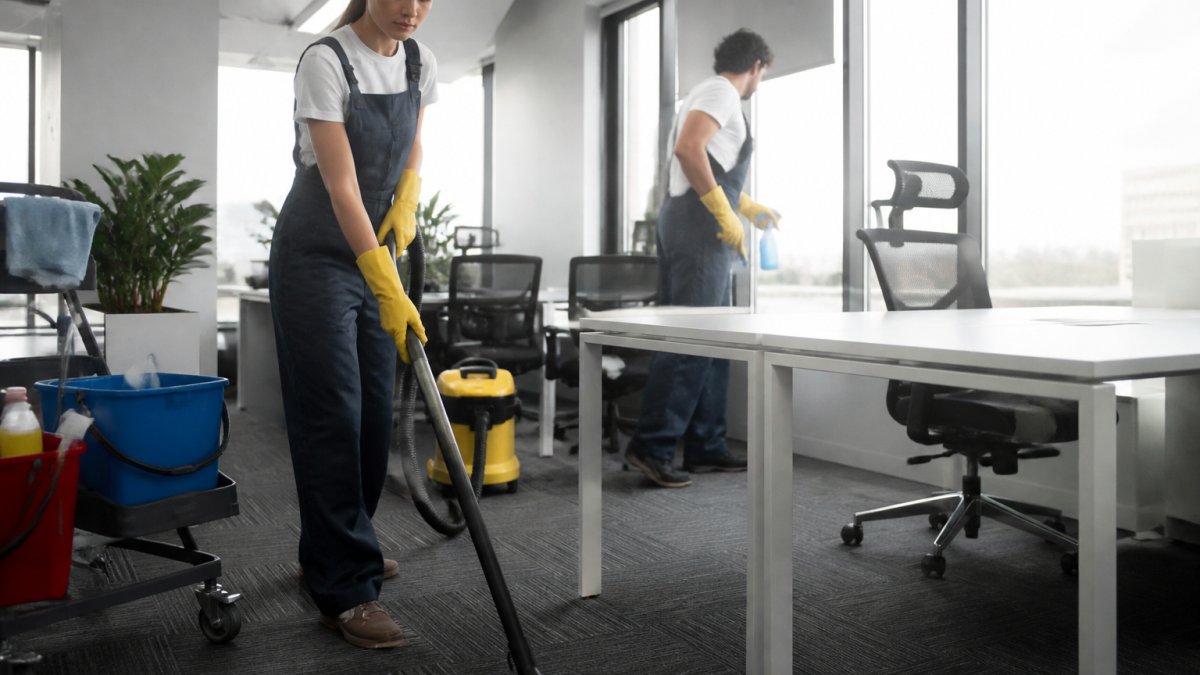
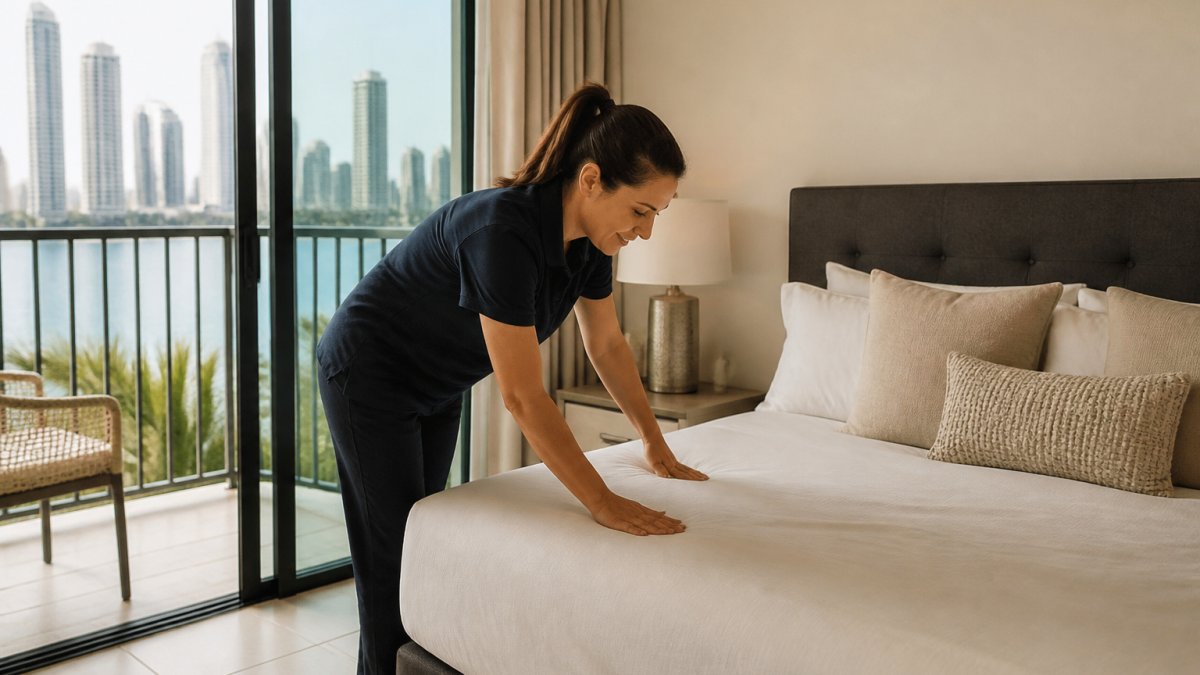
A standard clean typically includes vacuuming carpets and hard floors, sweeping and mopping, dusting surfaces, wiping down kitchen and bathroom fixtures, and tidying clutter into designated areas. Bed making is often included, though some services treat it as an optional extra.
Standard cleaning tasks
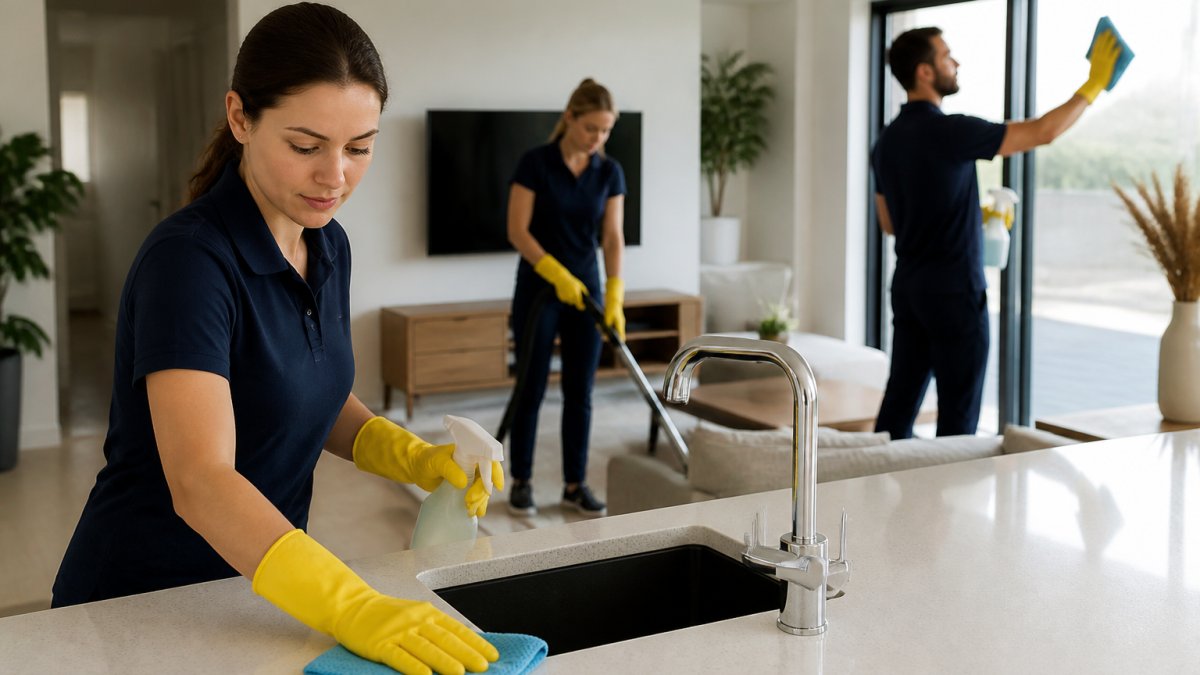
Standard cleaning includes vacuuming carpeted areas, sweeping and mopping hard floors, wiping kitchen benchtops and stovetops, cleaning bathroom fixtures and mirrors, and dusting surfaces throughout the home. Professional cleaners also tidy clutter and often make beds. Standard cleaning maintains appearance and hygiene but excludes heavy-duty tasks like baseboards scrubbing, interior window cleaning, or appliance deep-cleans, which are add-ons.
Deep cleaning add-ons
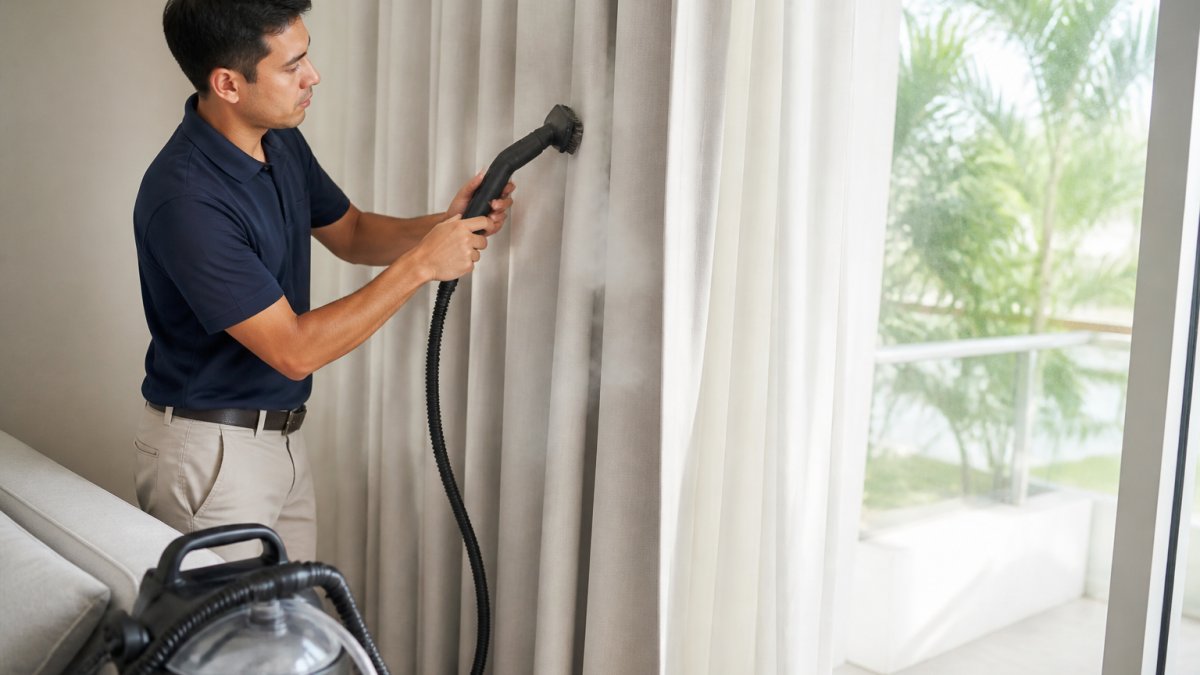
Common deep-clean add-ons include oven cleaning, refrigerator interior cleaning, baseboards scrubbing, window sill and interior window cleaning, light switches, door handles, and kitchen cabinets. Some services also offer carpet shampooing, upholstery cleaning, grout scrubbing, blind cleaning, and ceiling fan dusting. Be clear about which add-ons matter most to you so the service provider can give an accurate time estimate and quote.
How Long Does It Take to Clean a House Professionally
Time depends on home size, layout, clutter level, and tasks included. A one-bedroom flat typically takes 2-3 hours; a three-bedroom house takes 3-4 hours; larger homes or those with significant clutter may need 4-5 hours or more. Adding extra cleaners reduces time. Be honest about your home's current state when booking so the service provider can allocate realistic time.
How to Prepare for a House Cleaner
Preparing your home before a professional cleaner arrives ensures they can work efficiently, protects your belongings, and creates a smooth experience for both parties.
Securing valuables and personal items
Secure jewellery, cash, important documents, and sentimental items in a drawer, safe, or cupboard. Tidy medications, supplements, and personal care items into cabinets or drawers. Move electronics like laptops and phones to a secure spot. Inform the cleaner about delicate ornaments or collections so they can clean around them carefully.
Managing pets and household access
If you have pets, inform the cleaner in advance. Provide details about the pet's temperament, size, and any special instructions. On the day of the clean, move pets to a separate room or secure area where they won't interfere with cleaning or escape when doors are opened.
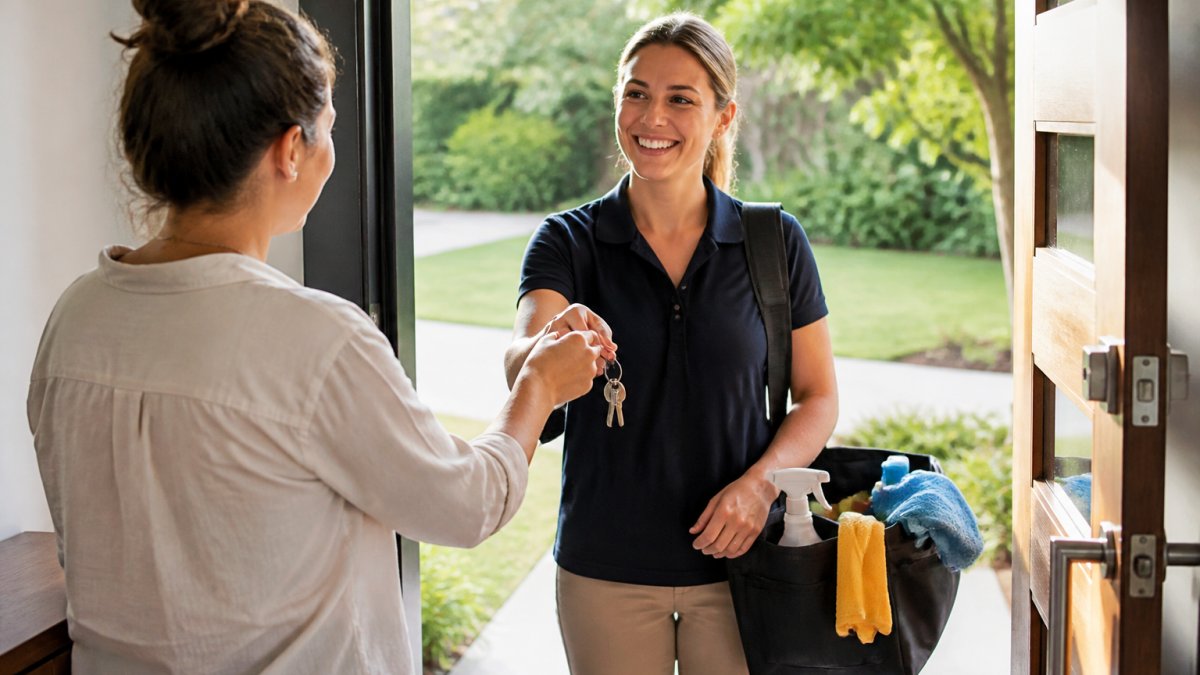
Ensure the cleaner has clear access to all areas they need to clean. Unlock doors to bedrooms, studies, or other rooms. Remove any obstacles like boxes, toys, or furniture blocking pathways. If you have security systems, provide entry codes, disarm the system, or arrange to let the cleaner in yourself. Leave a spare key in an agreed location, or schedule the appointment when you can be home to greet them.
Communicating product preferences and household instructions
Let the cleaner know which cleaning products you prefer or want to avoid. If you have allergies, asthma, or sensitivities to strong fragrances or chemicals, specify this clearly. Many services use fragrance-free or hypoallergenic products; others can use your own supplies if you provide them. Clarify who supplies cleaning products, most professional services bring their own, but some are happy to use yours if you prefer.
Provide household-specific instructions: which surfaces are delicate (marble, granite, or antique wood require different care), which areas need special attention, and any rooms or items that are off-limits. If you have hardwood floors that shouldn't be wet-mopped, or a particular bathroom tile that needs gentle cleaning, mention it. If certain rooms are priorities, for example, the kitchen and main bathroom matter most, let the cleaner know so they can allocate time accordingly.
Tidying before the cleaner arrives
While professional cleaners are skilled at working around clutter, tidying beforehand allows them to focus on deep cleaning rather than moving items. Put away clothes, toys, and personal items. Clear benchtops of non-essential items (keep only everyday essentials like a kettle or coffee maker visible). Tidy papers, books, and magazines into drawers or shelves. Move items off the floor so the cleaner can vacuum and mop without obstruction.
You don't need to deep-clean before they arrive, but a basic tidy, 10 to 15 minutes, makes a significant difference to their efficiency and the quality of the clean.
Confirming the appointment and arrival details
The day before the scheduled clean, confirm the appointment with the service. Provide a contact number so the cleaner can reach you if they're running late or have questions about access. Agree on a specific arrival window (e.g., between 10 a.m. and 10:30 a.m.) so you know when to expect them. If you won't be home, arrange a key handover or entry method in advance.
Leave clear instructions about where to find cleaning supplies (if they're using yours), where to put rubbish, and any areas that should not be cleaned. A simple note on the kitchen bench or a text message confirming these details prevents misunderstandings.
Questions to Ask Before Hiring a House Cleaner
Before committing to a professional cleaner, ask questions that clarify their experience, reliability, and approach to your specific needs. Understanding their background and vetting process gives you confidence in your choice.
Ask about their experience and how long they've been offering professional cleaning services. Enquire whether they're insured and what their insurance covers, this protects you if something is damaged during the clean. Ask about their background checks and vetting process.
Request clarity on their cancellation policy and how flexible they are with scheduling. Ask whether they offer a satisfaction guarantee or what their process is if you're unhappy with the work.
Ask for references from other clients if possible, or check online reviews. Find out whether they offer a first-visit consultation to discuss your specific needs before committing to regular service.
Punctuality, Communication, and Service Scope
Reliability is fundamental to a good professional cleaning relationship. When you book a time slot, the cleaner should arrive within a reasonable window, typically within 15 minutes of the scheduled time. If they're running late, they should communicate with you promptly.
Clear communication before and after each visit ensures expectations are met. A good professional cleaner will confirm the appointment the day before, arrive on time, and follow the priorities you've set. After the clean, they should be open to feedback and willing to address any concerns.
Service scope should be crystal clear from the outset. Know exactly what's included in your package and what costs extra. Some services charge a flat rate regardless of home size; others charge hourly or per room. Understand whether add-on services are available and how much they cost. This transparency prevents surprises when the invoice arrives.
Quality Checks and Resolving Missed Tasks
After your cleaner finishes, do a quick walk-through to check that the work meets your expectations. Look at commonly missed areas: behind furniture, baseboards, inside the oven (if deep-cleaned), and window sills. Check that surfaces are dust-free and floors are clean.
If you notice something that wasn't done to your satisfaction, document it, take photos if helpful, and contact your cleaner or their service provider promptly. A professional service will address missed tasks or redo work without argument. Some services offer a satisfaction guarantee, meaning they'll return to fix any issues at no extra cost within a certain timeframe.
Communicate feedback constructively. Instead of "the bathroom is dirty," specify: "the shower grout still has mould in the corners" or "the baseboards have dust visible." This clarity helps the cleaner understand exactly what needs improvement.
Pricing, Estimates, and Time Limits
Professional cleaning pricing is not one-size-fits-all. Understanding the factors that influence cost helps you interpret quotes accurately and budget confidently.
Factors that determine pricing:
Home size and room count are primary drivers.
Clutter level significantly affects time and cost.
Frequency of service influences per-visit cost.
Task scope determines whether you're paying for a standard clean or a deep clean.
Location and travel can affect pricing. Services operating in outer suburbs or regional areas may charge travel fees or have minimum service areas.
Time limits and hourly rates vary by provider.
Getting an accurate estimate:
Ask whether the quote is binding or whether it might change on the first visit.
Understanding the invoice:
Before the cleaner arrives, confirm the total cost and what it includes. Request an itemised breakdown if add-ons are involved.
Know whether travel fees, parking charges, or surcharges for heavily soiled areas are included in the quote or billed separately.
Frequently Asked Questions
What is reasonable to expect from a professional cleaner?
Expect a professional cleaner to complete standard cleaning tasks including vacuuming, sweeping, mopping floors, dusting surfaces, wiping down bathrooms and kitchens, and tidying living areas within the agreed time frame. They should arrive on schedule, communicate clearly about any issues, and deliver consistent quality. You should also expect them to be insured, thoroughly vetted, and respectful of your home and privacy. Most professional cleaners will ask about your priorities beforehand so they can focus on what matters most to you.
How long should it take a professional cleaner to clean a house?
The time depends on your home's size, layout, and current condition. A standard clean of a typical three-bedroom home usually takes between two to four hours. First-time visits or deep cleans take longer because cleaners tackle baseboards, interior windows, and appliances that aren't part of regular service. Discuss your home's specific needs with your cleaner before booking so they can provide an accurate time estimate and ensure they have enough time to do the job properly.
Do you need to clean your house before the cleaner arrives?
You don't need a spotless home, but tidying clutter helps cleaners work more efficiently. Pick up items from floors and surfaces, put away personal belongings, and secure pets in a safe area. If dishes are piled in the sink or clothes are scattered around, move them so the cleaner can access and clean those spaces. The cleaner's job is to clean, not to organise, so clearing clutter ensures they spend their time on actual cleaning rather than moving things around.
What questions should you ask before hiring a house cleaner?
Ask about their insurance and background checks, what services are included in their standard clean, whether they provide their own cleaning products or use yours, their cancellation policy, and how they handle feedback if you're unhappy with the work. Clarify the time estimate, whether they offer flexible scheduling, and how they prefer to communicate. Ask about their experience with any specific cleaning challenges in your home, such as delicate surfaces or pet-related cleaning needs. These questions help you understand their professionalism and whether they're the right fit for your household.
How can you tell whether a professional clean has been done well?
Check that floors are free of dust and debris, surfaces are wiped clean and streak-free, bathrooms are sanitised, and bedrooms are tidy. Look at details like baseboards, window sills, and interior windows if those were included. Walk through your home shortly after they leave and note any missed spots. A quality professional cleaner will welcome feedback and return to address any concerns quickly. If you notice the same areas missed repeatedly, discuss it with them or consider finding a different service that meets your standards.
What is the difference between a standard clean and a deep clean?
A standard clean covers regular household cleaning: vacuuming, mopping, dusting surfaces, wiping bathrooms and kitchens, and tidying living areas. A deep clean includes everything in a standard clean plus additional tasks like cleaning baseboards, interior windows, oven interiors, fridge interiors, and behind appliances. Deep cleans take longer and cost more because they address areas not touched during regular visits. Most households benefit from regular standard cleans with occasional deep cleans every few months or quarterly.
What should you provide to your cleaner on their first visit?
Provide clear access to your home, including gate codes or door keys. Show them where cleaning supplies and equipment are stored if you want them to use your products, or confirm they'll bring their own. Point out any fragile items, delicate surfaces, or areas that need special care. Explain your household priorities, any pets and their safe spaces, and where you'd like them to focus most. Leave contact details and let them know your preferred communication method. A good briefing on the first visit sets expectations and helps ensure they understand exactly what you need.