 how-to
How to Pass Bond Inspection: Step-by-Step Guide
Table of Contents
- Understand What the Final Inspection Covers
- Use Your Exit Condition Report as Your Reference
- Create a Bond Cleaning Checklist for Every Room
- Handle Repairs and Damage Before Inspection Day
- Gather Photo and Video Evidence Before Handover
- How to Get Your Full Bond Back After Inspection
- Bond Cleaning Guarantee: When to Use Professional Help
- Frequently Asked Questions
Last Updated: October 14, 2026
Understand What the Final Inspection Covers
The final inspection is the moment your property manager or landlord checks whether your rental will pass bond inspection and meets the condition required to release your bond.
Inspectors check for cleanliness, minor damage, and whether the property matches the condition documented in your entry condition report. They look at walls, floors, carpets, windows, light fittings, and appliances.
What inspectors look for
Inspectors assess your property against a standard checklist. They examine:
- All walls and surfaces for marks, stains, or damage
- Carpets and flooring for dirt, stains, or wear
- Kitchen appliances for grease, food residue, and general cleanliness
The inspection typically takes 30 to 45 minutes. The property manager or landlord will photograph problem areas and document their findings. This documentation becomes crucial if a bond dispute arises later.
Fair wear and tear versus tenant-caused damage
This distinction determines whether you lose money from your bond. Fair wear and tear is damage that happens naturally over time from normal use. Tenant-caused damage is damage you created through neglect or misuse.
Fair wear and tear includes:
- Slight fading of paint from sunlight
- Minor scuffs on walls from furniture movement
- Small worn patches on carpet from foot traffic
- Loose door hinges after years of use
Tenant-caused damage includes:
- Large holes in walls or doors
- Permanent stains on carpet or flooring
- Broken appliances from misuse
- Mould from poor ventilation or neglect
The difference matters because landlords can deduct costs for tenant-caused damage from your bond. Fair wear and tear cannot be deducted.
Use Your Exit Condition Report as Your Reference
Your entry condition report is the document you received when you moved in. It describes the property's condition on day one. This becomes your blueprint for the final inspection. If the property matches this report at the end, you should get your full bond back.
How to match the entry condition report
Request a copy of your entry condition report from your property manager or landlord if you don't have one. Review it carefully and note:
- Which areas were marked as damaged or worn on entry
- Which appliances were listed as faulty or missing
- Which surfaces had existing marks or stains
- Which carpets or flooring had pre-existing wear
During your final clean, focus on returning the property to the condition described in that report, not to perfect condition. If the kitchen cupboards had minor marks on entry, you don't need to refinish them. If the carpet had a small stain already present, you don't need to replace it.
Document discrepancies before you clean
Before you start cleaning, photograph every room and compare it to the entry condition report.
Create a simple checklist:
- Take photos of damage that matches the entry report
- Take photos of new damage you may have caused
- Note areas where the property is cleaner now than on entry
- Flag any repairs you've already made
This evidence helps if a bond dispute arises. You'll have proof that certain damage predates your tenancy.
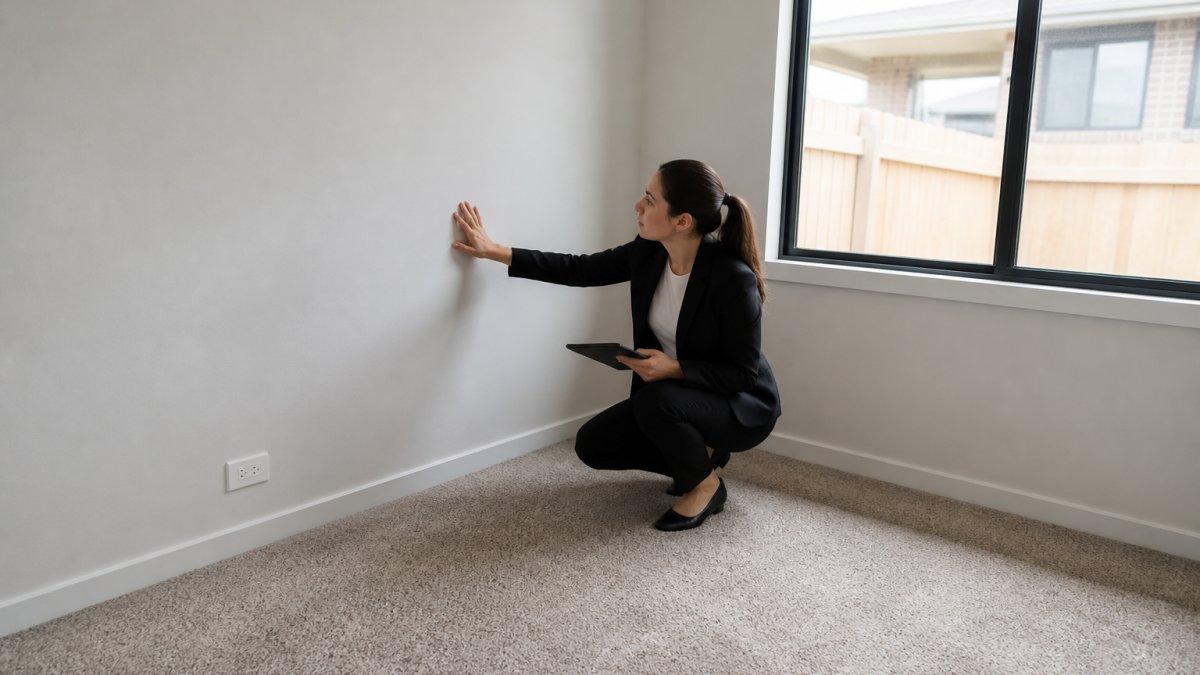
Create a Bond Cleaning Checklist for Every Room
A systematic approach to cleaning ensures you don't miss areas and helps you pass bond inspection. Work room by room and check off each task. This method saves time and reduces the risk of the inspection failing.
Kitchen: appliances, cupboards, and surfaces
The kitchen is often the area inspectors scrutinise most closely. Grease and food residue are common reasons for bond deductions.
Clean these areas thoroughly:
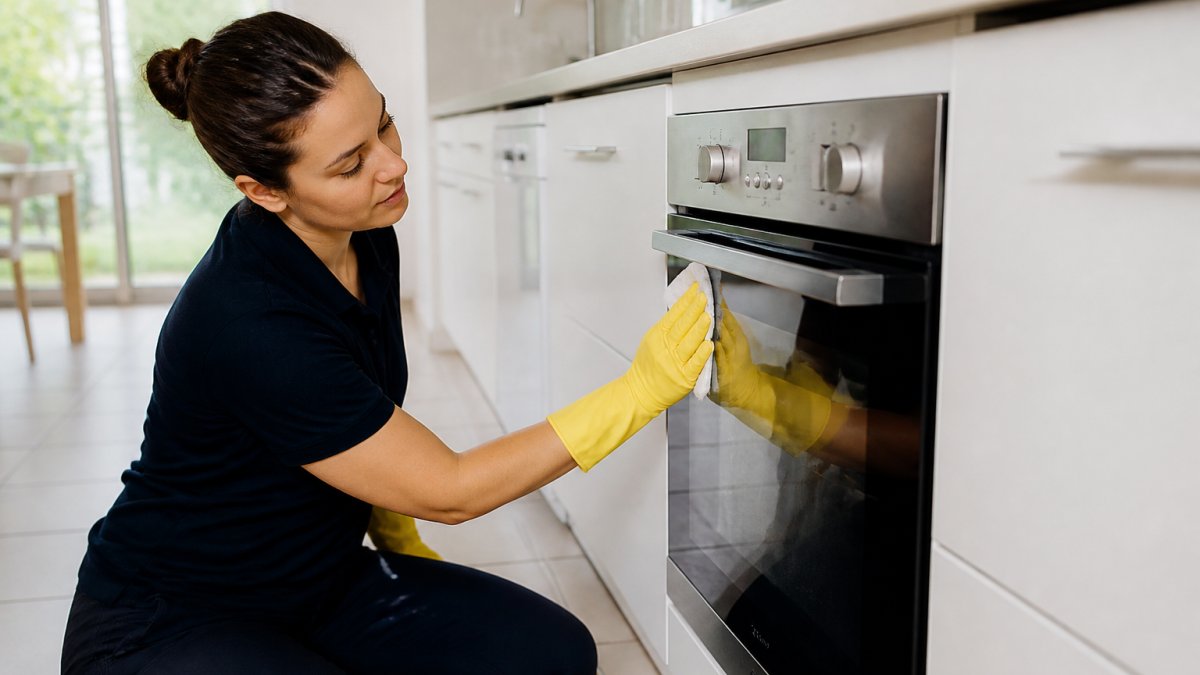
- Oven and stovetop: Remove all grease, burnt food, and residue. Clean inside the oven and under the cooktop. Wipe down the rangehood filter and exterior.
- Cupboards: Wipe down the inside and outside of all cupboard doors and shelves. Remove any sticky residue or food marks.
- Benchtops: Scrub thoroughly to remove stains, crumbs, and marks. Use appropriate cleaners for the material (stone, laminate, or stainless steel).
- Sink and taps: Scrub the sink, clean the taps, and remove any limescale or water marks.
Bathroom and toilet cleaning standards
Bathrooms must be spotless. Mould, soap scum, and stains are common deduction items.
Focus on:
- Toilet: Scrub the bowl inside and out. Clean the exterior thoroughly, including the base where dust accumulates.
- Shower and bathtub: Remove all soap scum, mould, and mildew. Clean grout lines with a brush. Rinse thoroughly.
- Sink and vanity: Scrub the basin and taps. Remove water marks and soap residue.
- Mirrors and glass: Wipe down completely to remove fingerprints and water marks.
Carpets, windows, and easily missed areas
These areas are often overlooked but inspectors check them carefully.
Don't forget:
- Carpets: Vacuum thoroughly, including under furniture. Treat visible stains. Consider professional carpet cleaning if stains won't come out.
- Windows: Clean inside and outside glass. Wipe down window sills and frames. Remove any dirt or marks.
- Light fittings: Wipe down all light switches, fittings, and ceiling fans. Remove dust and cobwebs.
- Doors and handles: Wipe down all doors, door frames, and handles. Remove marks and fingerprints.
Handle Repairs and Damage Before Inspection Day
Small repairs can mean the difference between passing and failing the inspection. Addressing damage early prevents bond deductions and shows you've maintained the property.
Minor repairs you can fix yourself
These repairs are straightforward and cost little:
- Holes in walls: Use a filler putty or spackling compound. Sand smooth and paint over with matching paint. Small holes (under 5mm) can often be left as fair wear and tear.
- Loose door handles or hinges: Tighten screws with a screwdriver. Replace if damaged.
- Broken light bulbs: Replace with matching bulbs.
- Sticky doors or windows: Lubricate hinges or tracks with WD-40.
When to call a professional
Some repairs require professional help. Attempting them yourself can cause more damage.
Call a professional for:
- Large holes in walls or doors: Requires patching, sanding, and repainting.
- Carpet stains that won't come out: Professional carpet cleaners have stronger treatments.
- Cracked windows or mirrors: Replacement is safer than DIY attempts.
- Broken appliances: Repair or replacement by a qualified technician.
Professional carpet cleaning is often recommended for rental properties. It's one of the most common reasons bonds are reduced, and a professional clean gives you confidence the carpet will pass inspection.
Gather Photo and Video Evidence Before Handover
Evidence protects you if a bond dispute arises. Photos and video create a record of the property's condition at handover and prove you left it clean and well-maintained.
What to photograph and when
Take photos and video immediately after you finish cleaning, before you hand over the keys. Document:
- Every room from multiple angles
- Close-ups of clean surfaces (benchtops, appliances, floors)
- The condition of carpets and flooring
- Windows and light fittings
Record a video walkthrough as well. Speak as you film, describing what you're showing. Say the date and time. This creates a timestamped record of the property's condition.
How to use evidence if a dispute arises
If the landlord claims damage you didn't cause or deducts money you believe is unfair, your photos and video are your evidence. You can:
- Show the condition of the property at handover
- Prove you cleaned thoroughly
- Demonstrate that damage was pre-existing or fair wear and tear
- Challenge unfair bond deductions
Keep your photos and video in a safe place. Store them in the cloud or email them to yourself so you can access them later if needed.
How to Get Your Full Bond Back After Inspection
After the inspection, the process moves to the property manager or landlord. Understanding what happens next helps you stay informed and prepared.
What happens after the inspection
The property manager or landlord will:
- Complete the final inspection report
- Document any damage or cleanliness issues
- Calculate any deductions from your bond
- Send you a report (usually within 7 to 14 days)
If there are no issues, your bond is returned within this timeframe. If there are deductions, you'll receive an itemised list explaining what was deducted and why.
Addressing bond deductions and disputes
If you disagree with the deductions, you have options. Review the inspection report carefully. Compare it to your entry condition report and your photos.
Steps to take:
- Contact the property manager or landlord and explain why you disagree
- Provide your evidence: photos, video, and the entry condition report
- Request a review of the deduction
- Escalate to the relevant authority if the dispute can't be resolved
In Queensland, you can lodge a dispute with the Office of the Commissioner for Body Corporate and Community Management if the landlord won't release your bond or deducts money unfairly.
Bond Cleaning Guarantee: When to Use Professional Help
Deciding between DIY cleaning and professional help depends on your time, budget, and confidence in achieving inspection standards.
DIY versus professional cleaning
DIY cleaning works if you:
- Have time to clean thoroughly (usually 2 to 4 days for a typical house)
- Are confident in your cleaning skills
- Have access to proper cleaning equipment and products
- Can reach high areas (ceilings, ceiling fans, windows)
Professional cleaning is better if you:
- Have limited time before the inspection
- Want guaranteed results
- Have a large property or heavily soiled areas
- Want peace of mind that the property will pass
Professional cleaners have the equipment, expertise, and products to handle tough stains and hard-to-reach areas. They also understand what inspectors look for and clean accordingly.
What a professional cleaning guarantee covers
When you hire a professional cleaning service, ask about their guarantee. A good guarantee covers:
- Re-cleaning of any areas the inspector identifies as not meeting standards
- Stain removal attempts (though some stains may be permanent)
- Access to professional-grade equipment and products
- Expertise in handling different surfaces and materials
Cleaning Spell provides a professional, personalised cleaning solution tailored to the unique character of your home on the Gold Coast. Our team of trained and insured cleaners is dedicated to creating a healthier, happier sanctuary for your family.
Passing your bond inspection requires preparation, attention to detail, and sometimes professional help. If time is tight or you're unsure about tackling the cleaning yourself, professional bond cleaning services can take the stress out of the process and give you confidence that your property will pass.
Frequently Asked Questions
What should I clean before a bond inspection?
Before your bond inspection, clean every room thoroughly using your exit condition report as a guide. This includes the kitchen (oven, rangehood, cupboards, benchtops), bathroom and toilet, all windows, light fittings, ceiling fans, carpets, walls, and floors. Remove all personal belongings and rubbish, and repair minor damage like nail holes or scuffs. The goal is to match the property's condition when you moved in, accounting only for fair wear and tear.
How do I use my exit condition report to pass the bond inspection?
Your exit condition report is your roadmap. Compare it directly to your entry condition report to identify what needs cleaning or repair. Photograph any discrepancies before you start cleaning, then work systematically through each area the report documents. When the property manager conducts the final inspection, they will check against the same criteria, so matching the entry condition is your best defence against bond deductions.
What is fair wear and tear, and how does it affect my bond?
Fair wear and tear includes minor marks, slight discolouration, and natural ageing from normal use. Tenant-caused damage, such as large holes, broken fixtures, stains from neglect, or broken appliances, can result in bond deductions. Understanding this distinction matters: you cannot be charged for fair wear and tear, but you are responsible for damage you caused. If you are unsure whether something qualifies as fair wear and tear, document it with photos and discuss it with your property manager before the inspection.
Can I get a bond cleaning guarantee, and what does it cover?
Professional cleaning services often offer a bond cleaning guarantee, which means they will re-clean any areas that fail inspection at no extra cost. A guarantee typically covers standard cleaning tasks, kitchens, bathrooms, carpets, windows, and general surfaces, but usually excludes pre-existing damage, repairs, or damage caused by tenants. If you choose professional help, confirm the guarantee covers re-cleaning and ask what happens if the property manager requests additional work.